


Buying a house is a huge milestone. Beyond aesthetics and location, finding a home that is energy-efficient and eco-friendly will not only make your living experience much happier but also save you a lot of money in the long run. Here are some simple, practical tips for choosing or upgrading your home to be more environmentally friendly.
4 Simple Checklists for an Eco-Friendly Home
1. Check the Wind and Sun Direction This is crucial! A good home should have windows that welcome natural breezes. Try to avoid having your most-used rooms (like the bedroom or living room) facing directly west or south, as they will absorb the harsh afternoon sun and stay hot into the night. With good natural lighting and ventilation, you won’t need to keep the AC or lights on all day.
2. Look for Heat-Reducing Materials When viewing a house, ask the developer or contractor about the materials. Does the roof reflect heat? Is there proper insulation under the roof? Also, check the windows — tinted glass or Low-E glass can block a significant amount of heat from entering the house, which means your air conditioner won’t have to work as hard.
3. Energy-Saving Functions are a Must Nowadays, many modern homes come with these built-in features:
-
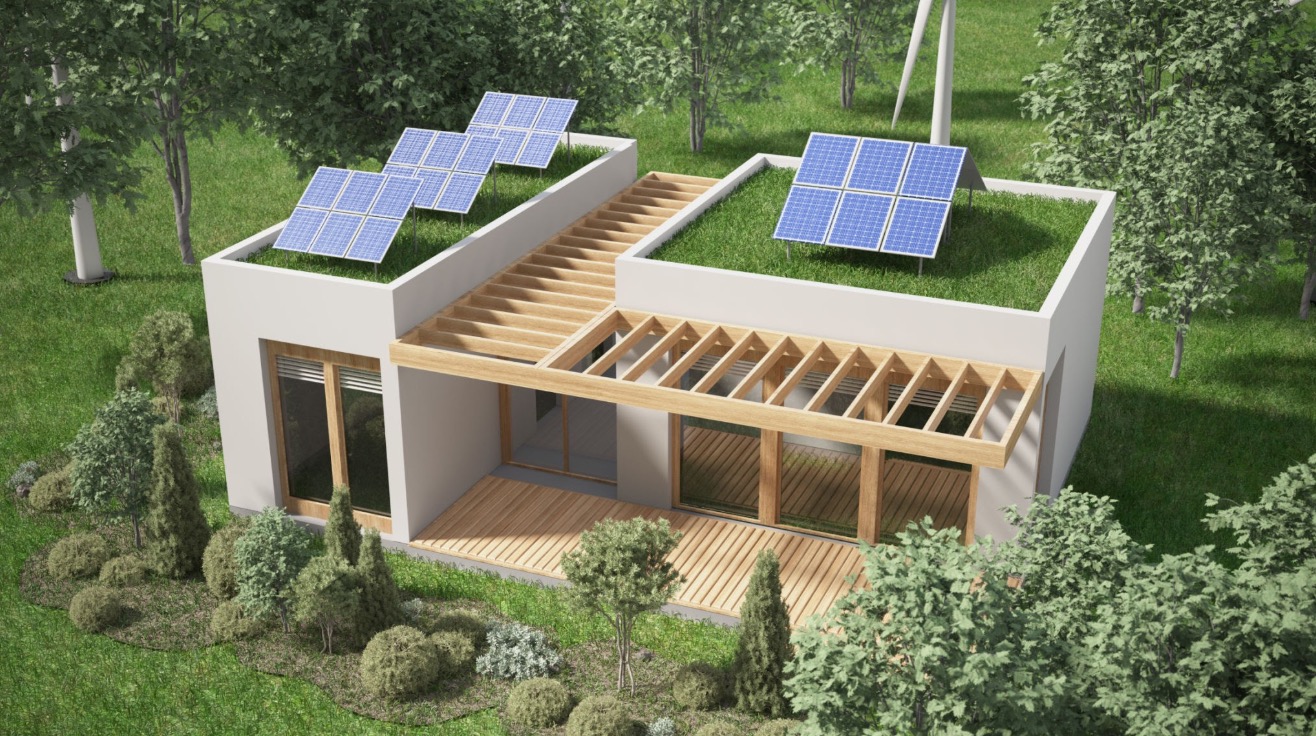
Solar Panels: A game-changer for reducing daytime electricity bills.
-
LED Lighting: Brighter, longer-lasting, and consumes much less energy than traditional bulbs.
-
Water-Saving Fixtures: Dual-flush toilets and water-efficient faucets are excellent for reducing unnecessary water consumption.
4. Don’t Forget the Greenery Trees are nature’s best air conditioners. Having large trees on the western side of your house can provide perfect shade from the afternoon sun. If you live in a condo, having indoor plants on your balcony helps filter dust and instantly breathes life and freshness into your space.